Van Life Guide
The 'Van-life' trend is on the up, with young people taking the opportunity to live life off grid and save money on rent and bills. If that sounds like a bit of you, then here's our guide to living the van life, from choosing the right van, to kitting it out and living in it safely and responsibly.
The Cazoo editorial team
Published on 29 May 2026 | 10 mins read

Moving into a van is a big change, but it opens up many opportunities for freedom, travel and new experiences. If you don’t know anyone else who’s taken the plunge into ‘van-life’, the list of questions can be endless:
- Which van is right for you?
- How do you wash your clothes?
- How do you know where to park?
- How do you connect to WiFi?
For those considering the van life, here’s a dedicated guide with all the details on how best to navigate the realities of life on the road.
How To Choose The Right Vehicle
Choosing the right van is an important decision and needs to be weighed up depending on your budget, aesthetics, lifestyle, whether you plan to live in it full-time, and on how confident you are driving it. For example, you’ll need a different van if you plan to live out in the countryside versus in the city. You can also choose between vans that come ready to go and vans that make the perfect basis for you to kit out and personalise for yourself.
Before buying a van, it’s worth considering:
- How much space you’ll realistically need
- Your budget and how it fits with fuel/insurance costs
- How confident you are with repairs
- How often you’ll be driving long distances
- The weather in the location where you’ll be based most of the time
- Whether you plan to convert the van yourself or buy one that’s ready to go
Smaller vans tend to be cheaper to run, easier to park and better suited to city driving. Larger vans – while more expensive and a little more cumbersome to drive – do provide significantly more living space and can comfortably fit beds, kitchen units, storage spaces and even small bathrooms.
If you can afford to , it might be worth renting or borrowing a few different types of vans before committing to a purchase. Experiencing the space first-hand can help you avoid expensive mistakes and give you a much clearer idea of what works for your lifestyle – you can also get a tape measure out at this stage to see what you’re working with.
These are a few vans that we’d recommend:
Large vans
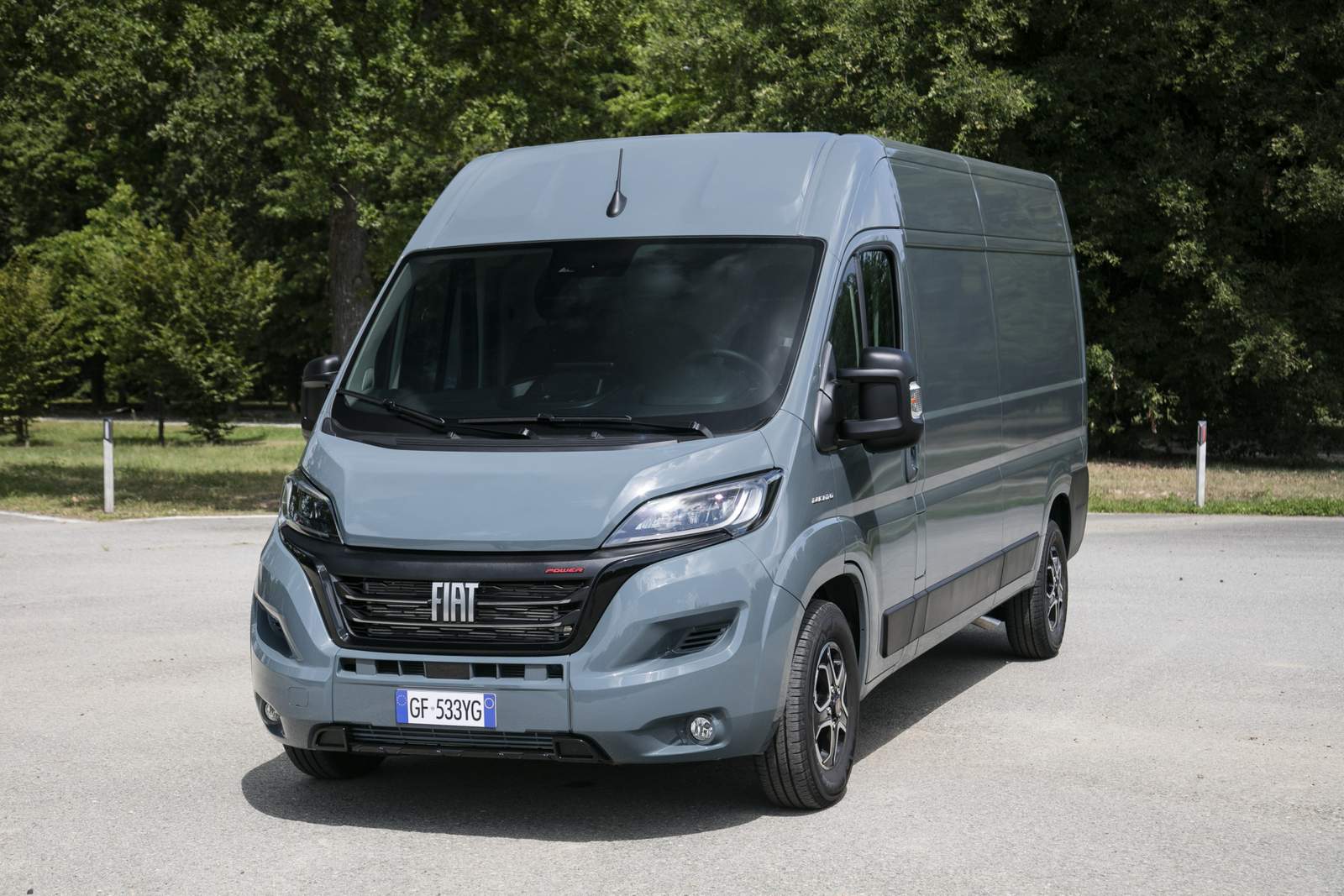
Fiat Ducato, Peugeot Boxer, Citroën Relay, Vauxhall Movano, Toyota Proace Max
these are all a very popular large choice in the ‘van-life’ movement, but are all the same van underneath under different names. It’s worth shopping around to compare prices, conditions and existing warranties (if applicable).
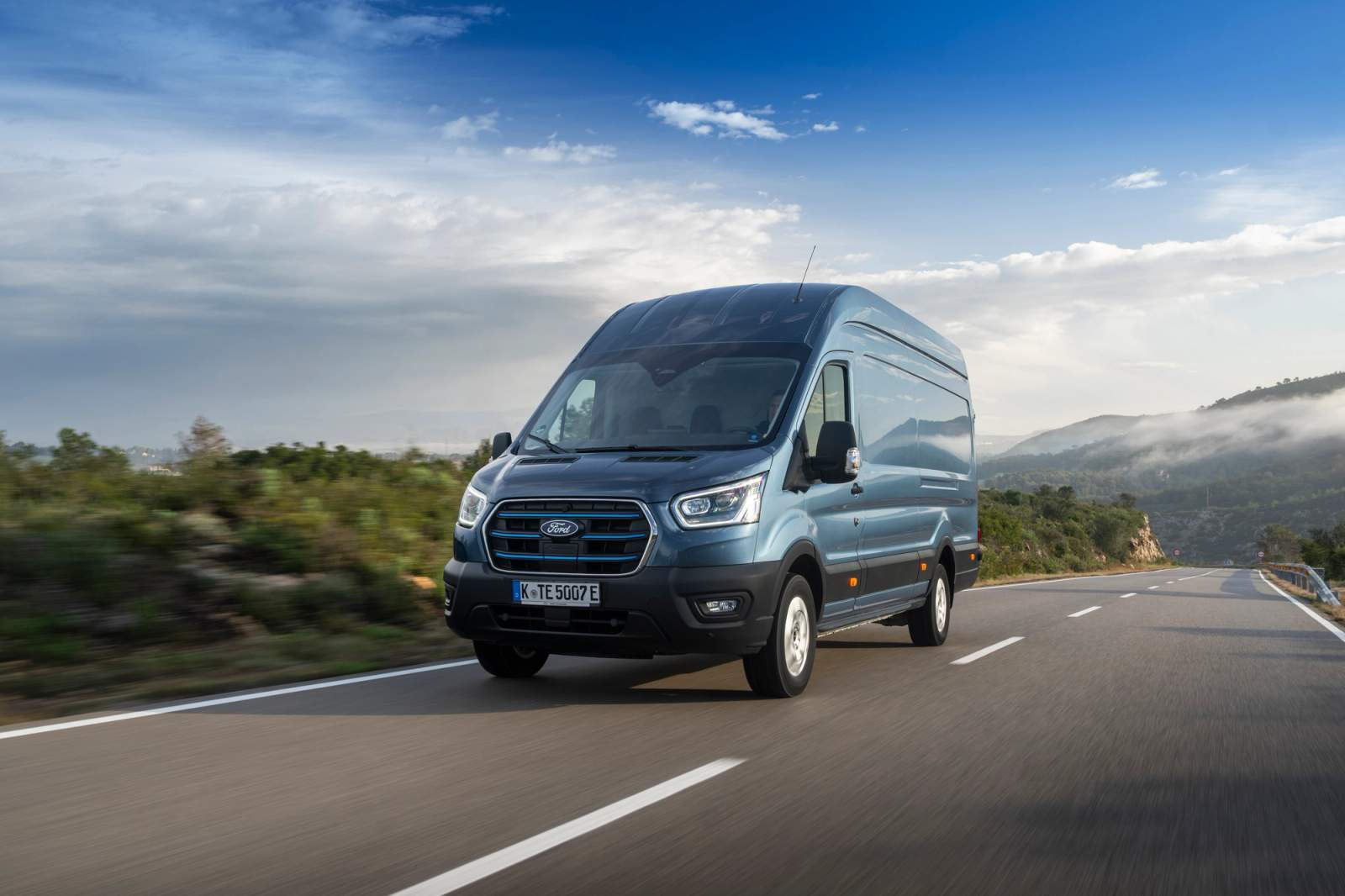
Ford Transit
a household name for a reason. Despite being so large, they’re known for driving more like a car than some other rivals, so it’s worth taking a test drive to compare.
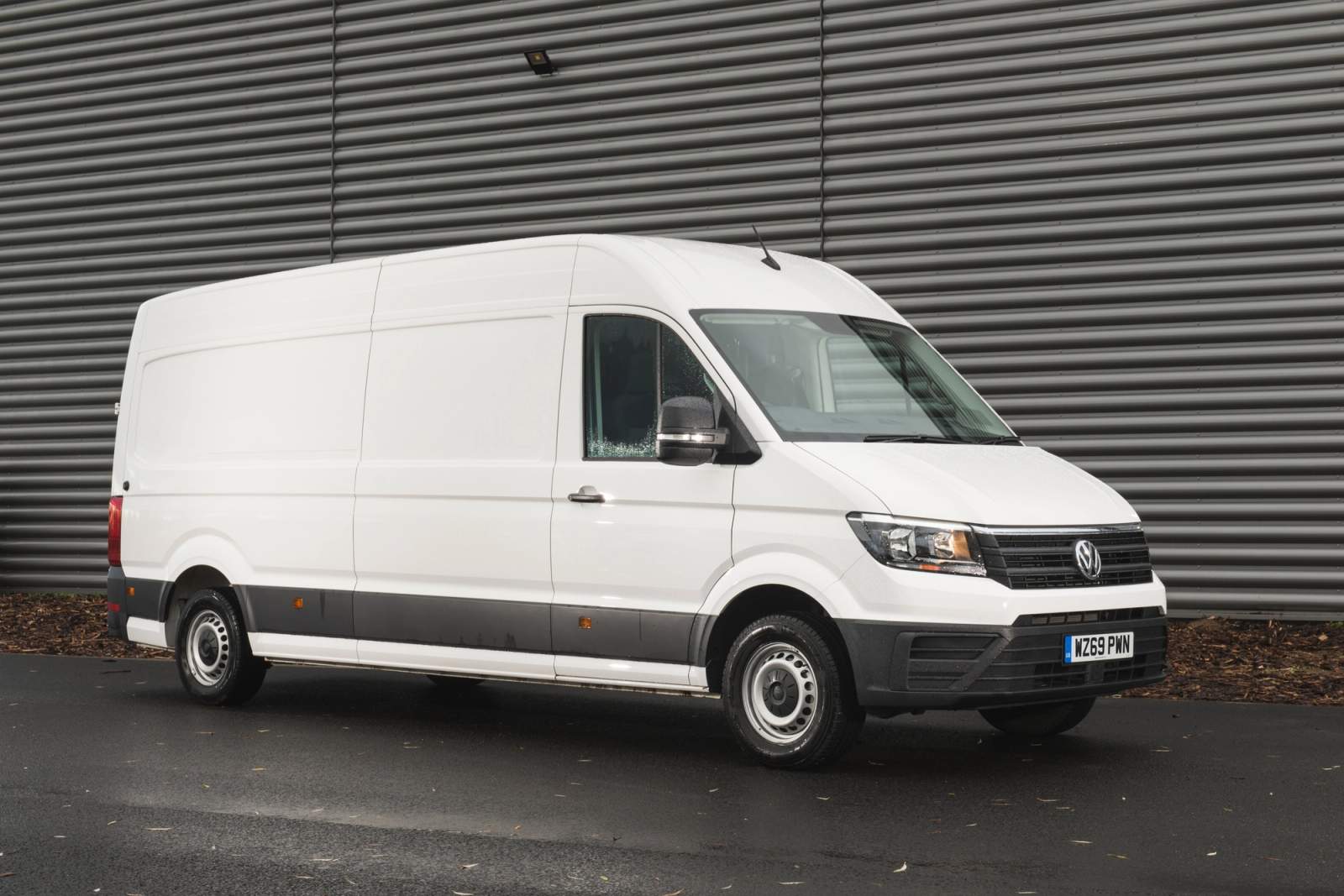
Volkswagen Crafter
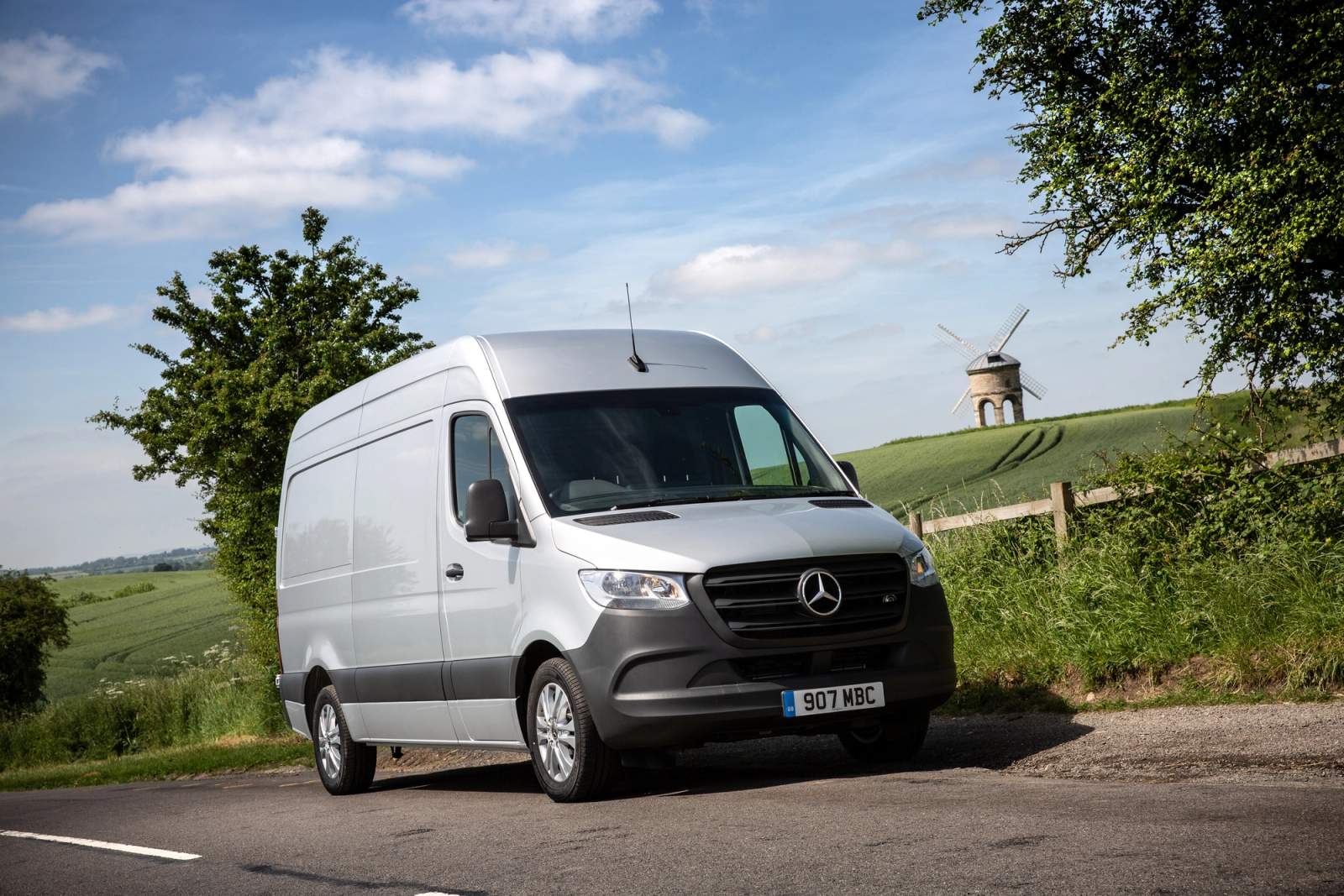
Mercedes Sprinter
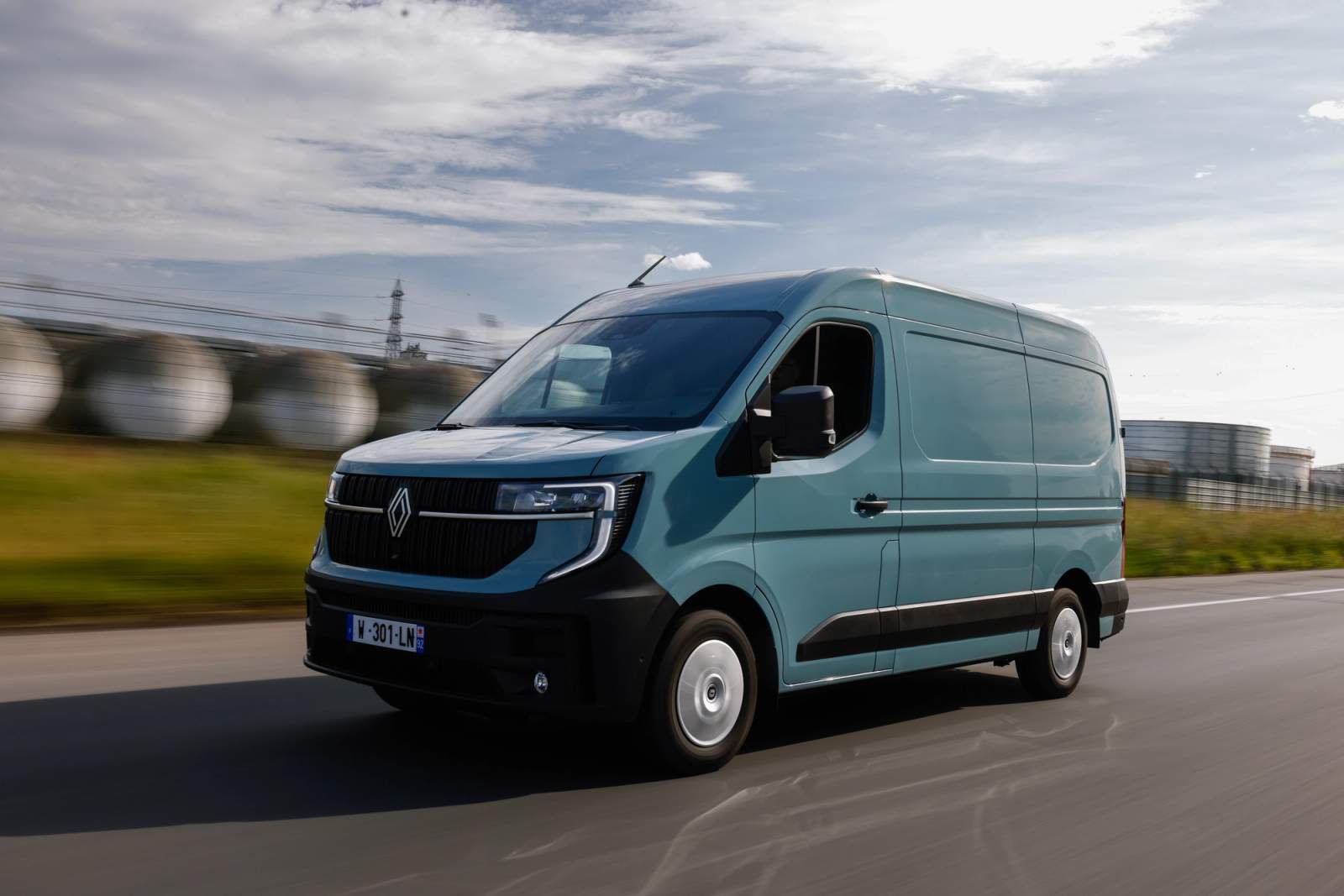
Renault Master
Small and Medium vans
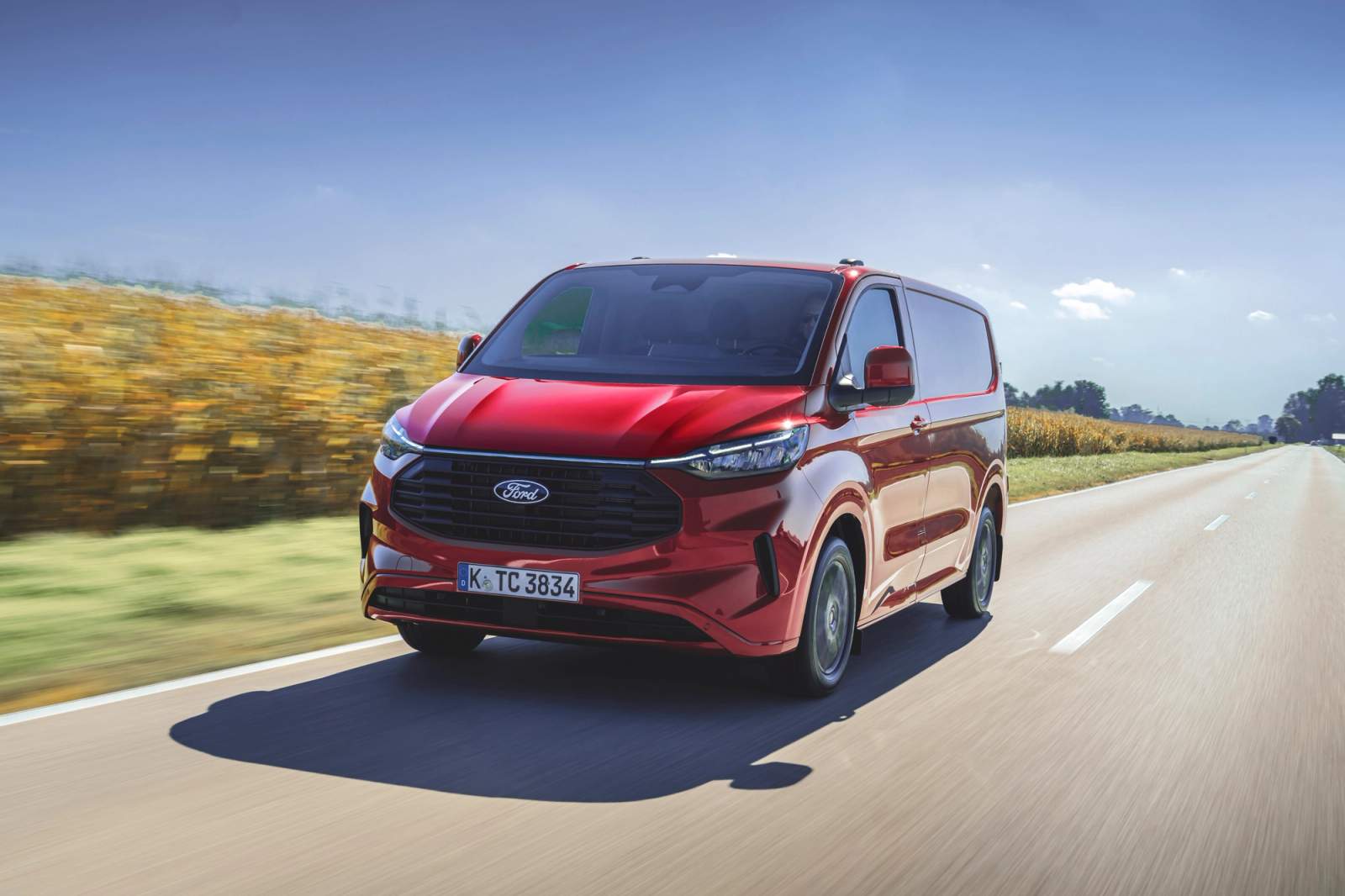
Ford Transit Custom/Ford Tourneo Custom
Just like the larger Transit, the Transit Custom is more ‘car-like’ to drive. The Tourneo Custom is the same, but comes with windows and seats all-round, so check out both to see which suits your build best as a basis.
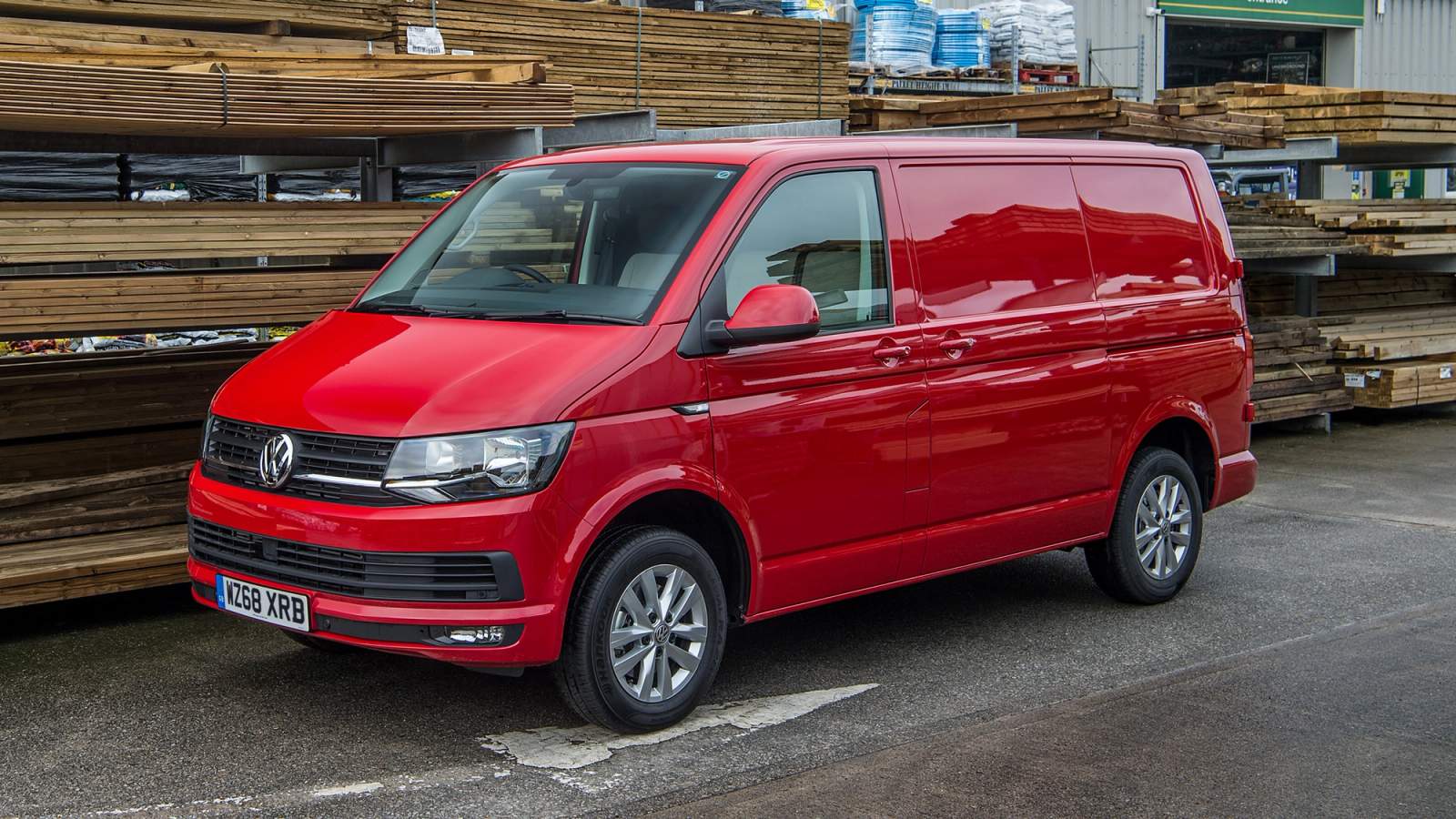
Volkswagen Transporter/Volkswagen California
Volkswagen has produced a variety of vans under different names, but the Transporter is a great basis in which to build your own small living space. The California comes ready-built as a campervan if you’d rather skip the faff
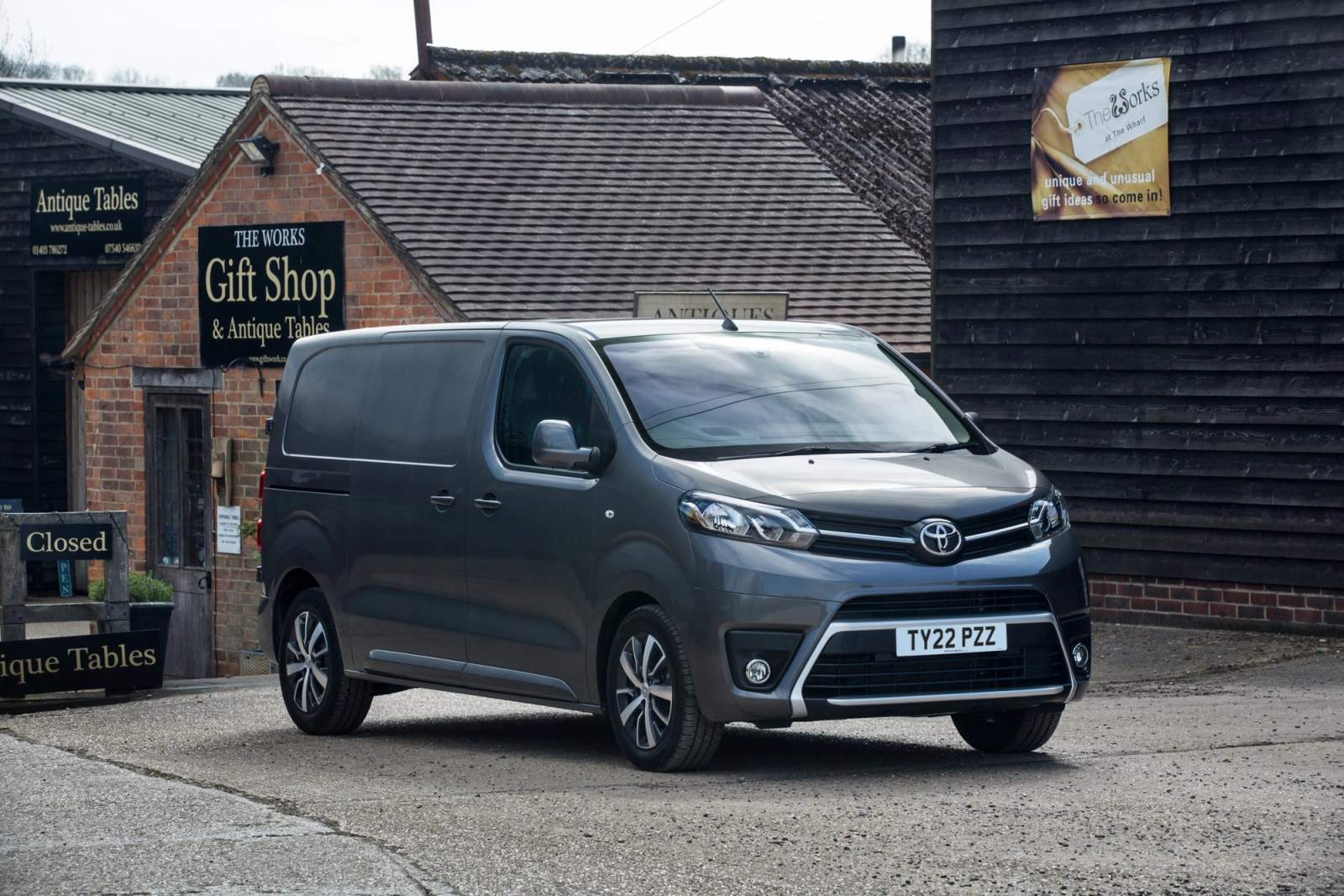
Toyota Proace, Citroën Dispatch, Peugeot Expert, Vauxhall Vivaro, Fiat Scudo
Like their larger siblings, these vans are all the same underneath, but go by a variety of names. Again, shop around to compare prices, condition and warranties.
Renault Trafic
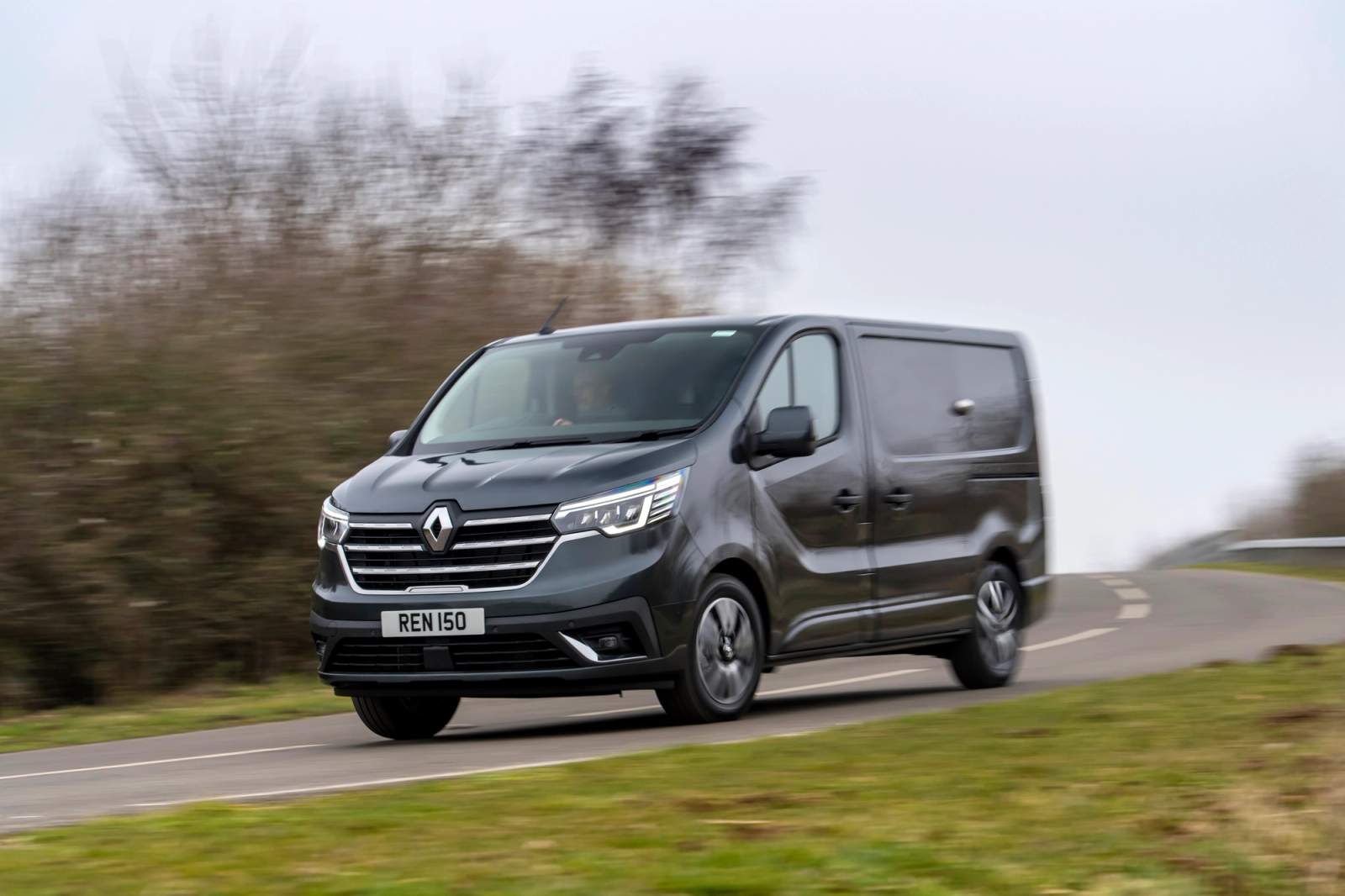
Mercedes Vito
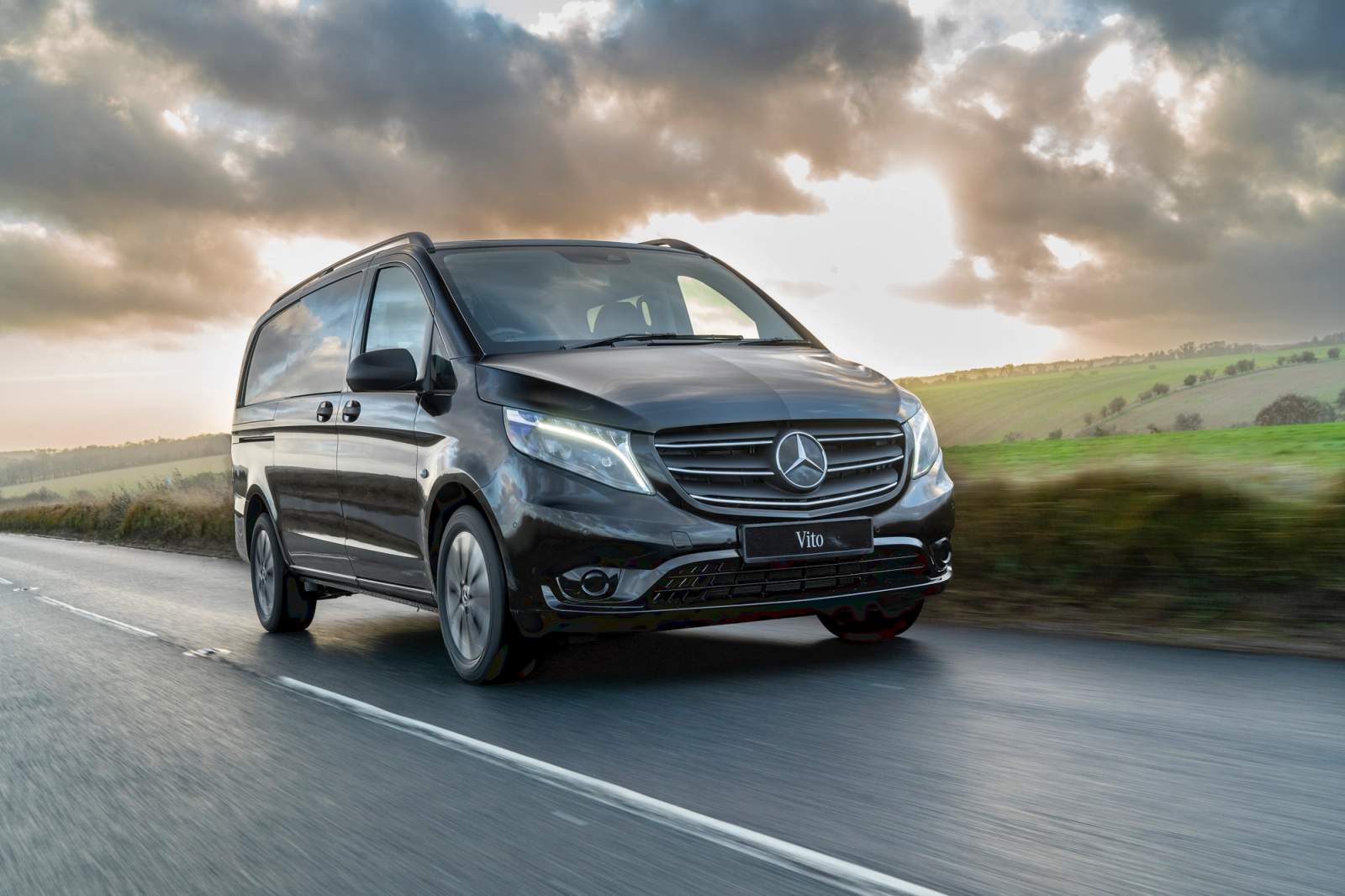
Finding Legal Spaces To Park
One of the biggest concerns for people moving into a van is knowing where it’s legal and safe to stay overnight. It’s important to research in advance where you’ll park as regulations can vary hugely depending on the country, city or local council.
Make sure you investigate:
- If you’re on a public road, whether you’ve parked properly
- If you’re on private land, whether you have permission from the owner
Apps and online communities can be helpful for finding places where other van-dwellers have stayed, but it’s still important to double-check local restrictions and signage before settling for the night.
Staying Safe
Safety is one of the biggest concerns for people moving into their van, especially when planning to live alone. Taking sensible precautions can help to ease your mind.
Living in a van doesn’t necessarily mean being totally off-grid and it’s a good idea to keep your friends and family up to date on your whereabouts. Make sure to stick to areas where you have phone signal and can use navigation tools. By making sure that you’re never in completely isolated areas and that someone knows where you are, you can be reached in an emergency.
It’s important to learn some basic safety skills before going out on the road. Knowing how to check your tyre pressure, top up your van’s fluids, or jump start your battery can save you lots of stress. Always keep a first aid kit handy and look up the nearest hospital to you with an A&E. As well as a first aid kit, it never hurts to keep a high-visibility vest, portable power bank, good ice scraper and non-perishable snacks with you - better safe than sorry!
Other Common Concerns (WiFi, Cooking, Showering Etc)
There are other daily practicalities that feel a bit daunting when you first move into a van. Before you take the plunge, experiment by going camping – with or without a campervan – even staying in a tent will give you vital skills and help you work out if this life’s for you.
One common question is how van dwellers stay connected and power their devices – especially if they plan to work remotely. Mobile hotspots, unlimited data plans and signal boosters are the best way to maintain internet access in your van. It’s also good to locate nearby cafés, libraries, co-working spaces or even gyms for reliable connections should anything go wrong.
As for power and electricity, most van dwellers will either use leisure batteries, solar panels or portable power stations. While this does mean that you can cook well enough to stay healthy on the road, you might not always have the space or power capacity to whip up Michelin-quality meals. Depending on the size of your van, you’ll likely use either portable gas stoves or compact built-in hobs in your kitchen. Proper meal prepping and learning how to make your favourite dishes in one pan can help you to enjoy your food even within such a compact space.
Similarly, for those wondering about hygiene, this can either be sorted within your van or outside of it. Water is essential, and you’ll have to use it sparingly without being connected to the mains network. Some vans have inbuilt showers, but other van dwellers will use campsite facilities or their local gym to wash. For laundry, you can choose between laundrettes, campsite washing machines, portable hand-washing setups – or maybe you can ask your friends nicely once in a while!