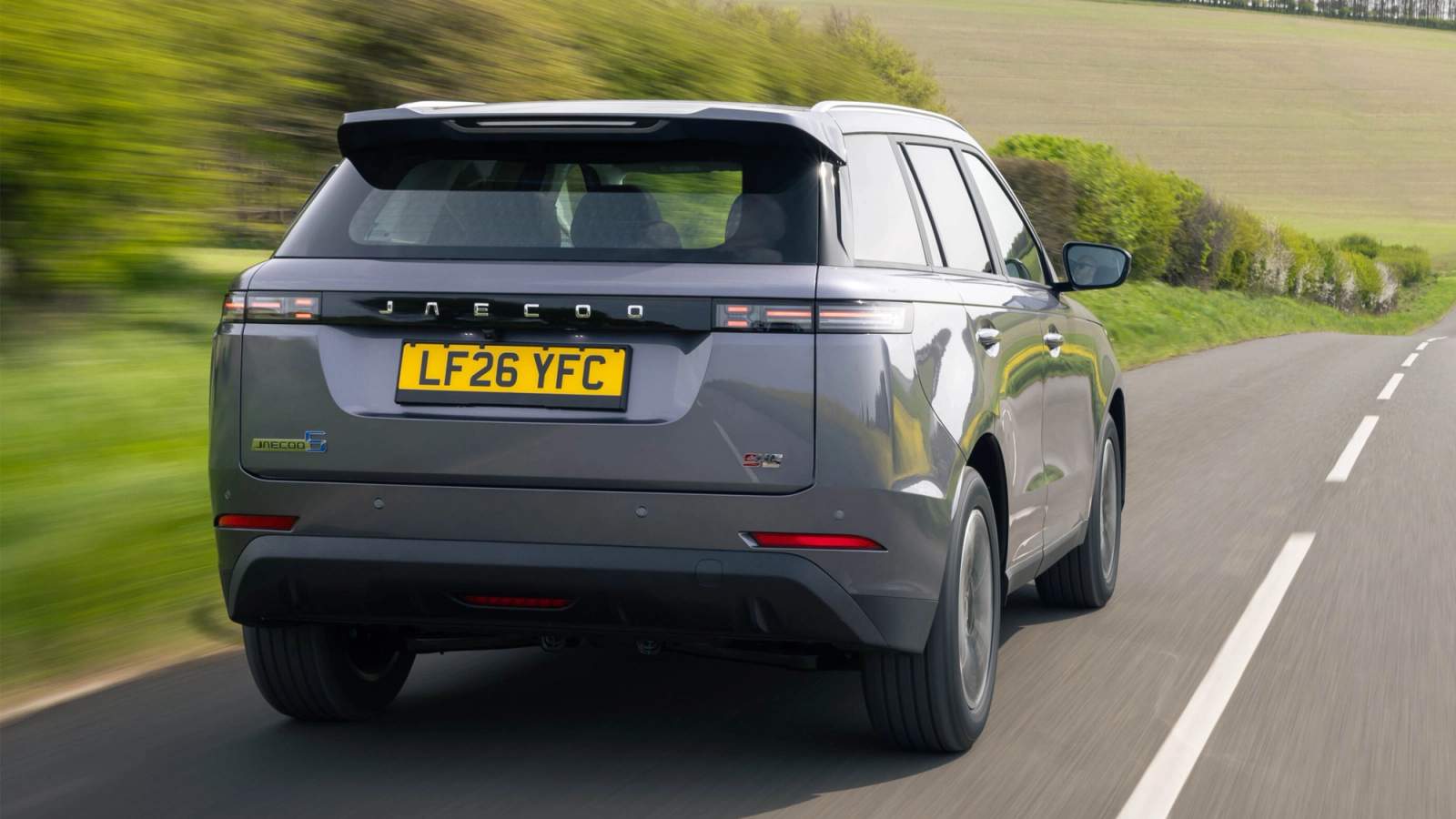
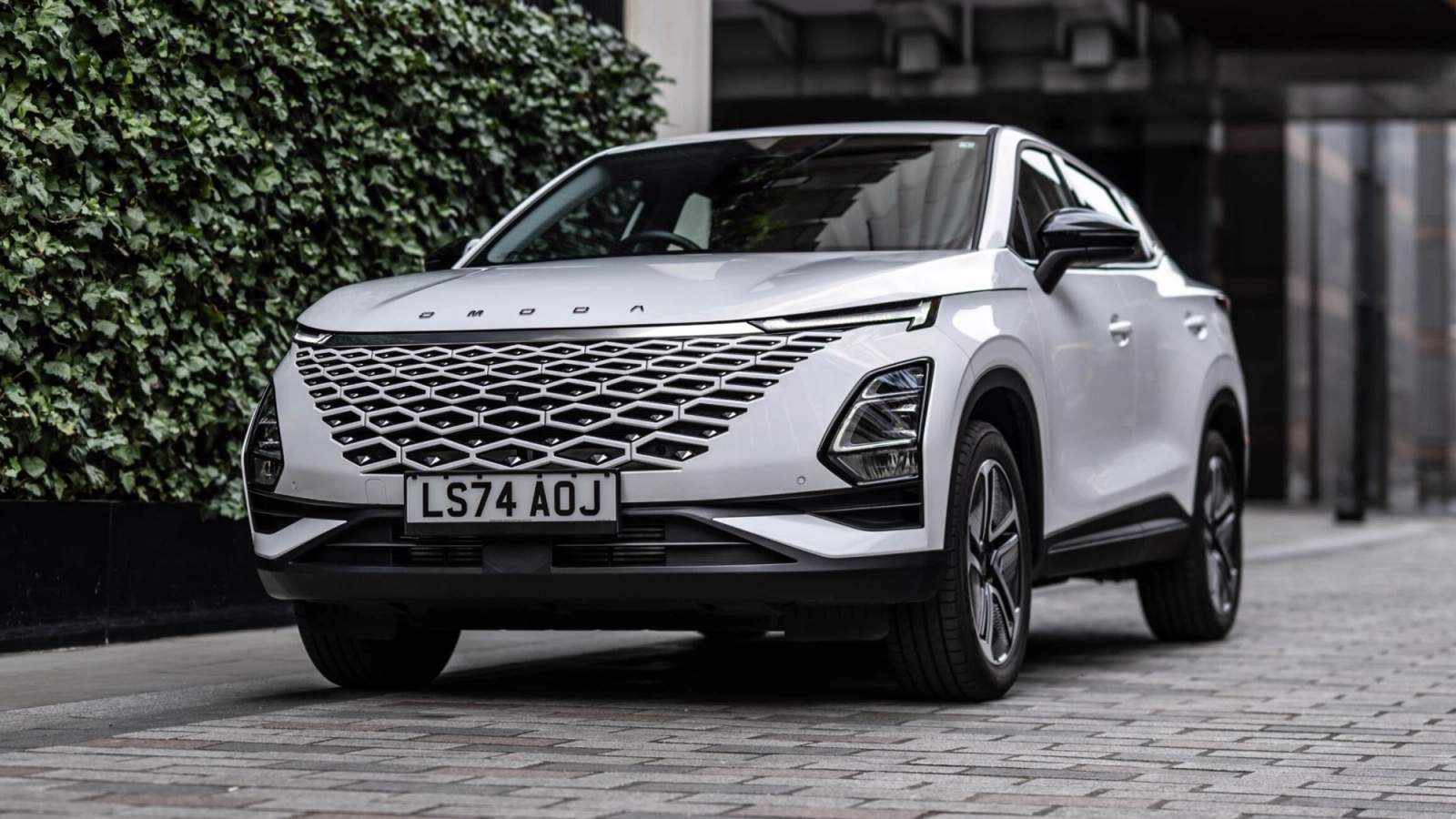
Jaecoo vs Omoda: what are the differences?
Jaecoo and Omoda have taken the UK by storm – but which one’s cars could be right for you?
The Cazoo editorial team
Published on 01 June 2026 | 6 mins read

If you’ve been paying attention to the UK new car market lately, you’ve probably noticed two names popping up everywhere: Jaecoo and Omoda. Both brands arrived in Britain in relatively quick succession, and both have been turning heads with their bold styling, generous standard equipment, and some of the most competitive prices on the market.
But what exactly is the difference between them? Are they rivals, or are they complementary? And more importantly, which could suit your needs best? We’ve done the digging to help you figure it out.
Same Chery family, different personalities
First things first: Jaecoo and Omoda are sister brands. Both sit under the umbrella of Chery Holding Group, one of China’s largest and most established automotive manufacturers, which ranked 233rd on the 2025 Fortune Global 500 with revenues of $39.1 billion. Think of it a bit like how Audi and Skoda are both part of the Volkswagen Group – related, but with distinct characters and target audiences.
Omoda is aimed squarely at younger, style-conscious buyers – think Generation Z and younger millennials who want something that looks and feels fresh. The name itself is a blend of ‘modern’ and ‘moda’ (the Italian word for fashion), and that tells you everything you need to know about its design philosophy.
Jaecoo, by contrast, takes its inspiration from ‘Jäger’ (German for ‘hunter’) and ‘cool’. It’s built for drivers who want a tougher, more adventure-ready image – an urban off-roader that can handle both city streets and weekend escapes with equal confidence. The brand was developed with more than a decade of off-road manufacturing expertise behind it.
The model line-ups
Both brands offer a growing range of SUVs in the UK, all named with a number system that broadly reflects their size.
Jaecoo currently offers:
- Jaecoo 5 – a compact SUV available in petrol or fully electric (E5) form
- Jaecoo 7 – the brand’s flagship mid-size SUV, available as a petrol, plug-in hybrid (SHS-P) or hybrid (SHS-H)
- Jaecoo 8 – a large, premium SUV that arrived in May 2026 in six- and seven-seat configurations as a plug-in hybrid (SHS-P)
Omoda currently offers:
- Omoda 5 – a compact SUV in petrol, hybrid (SHS-H) and electric (E5) variants
- Omoda 7 – a mid-size plug-in hybrid SUV
- Omoda 9 – a large, premium plug-in hybrid SUV
Both ranges share similar powertrains and technology underpinnings, but the styling, branding and intended buyer differ considerably.
Style and design: which turns more heads?
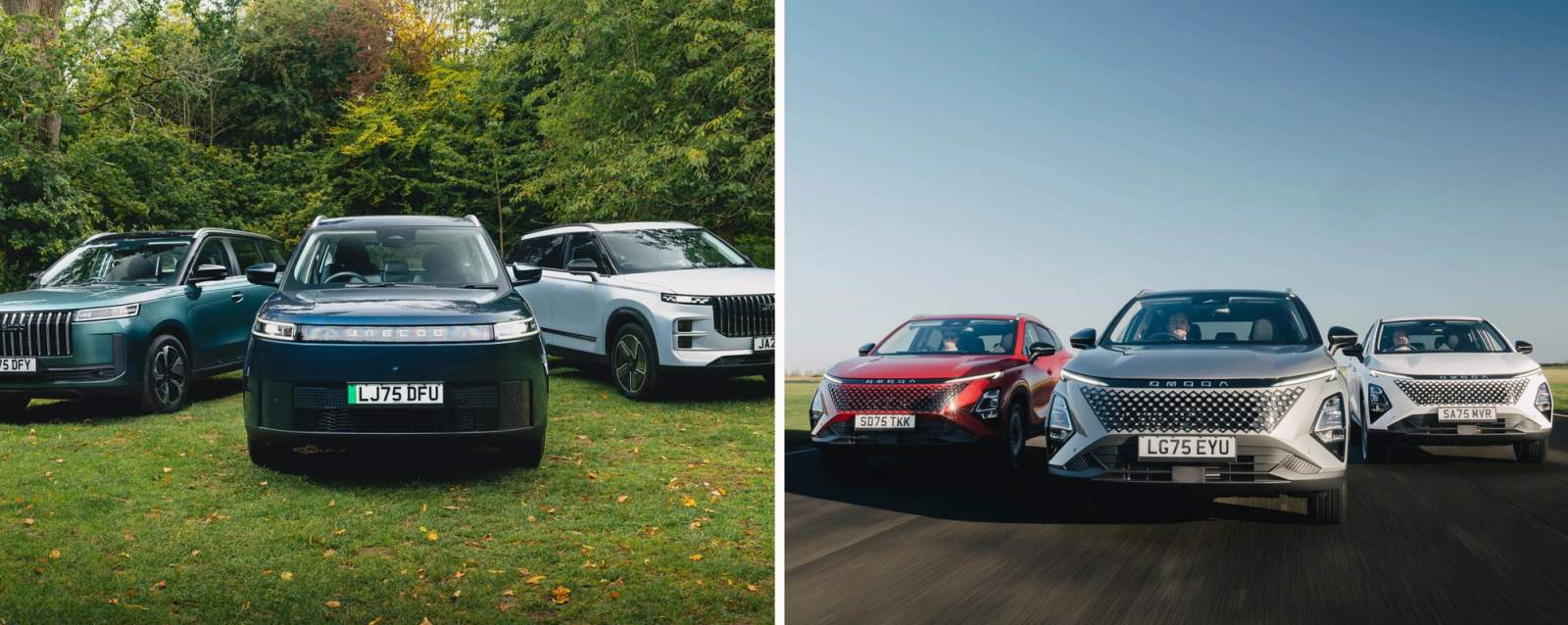
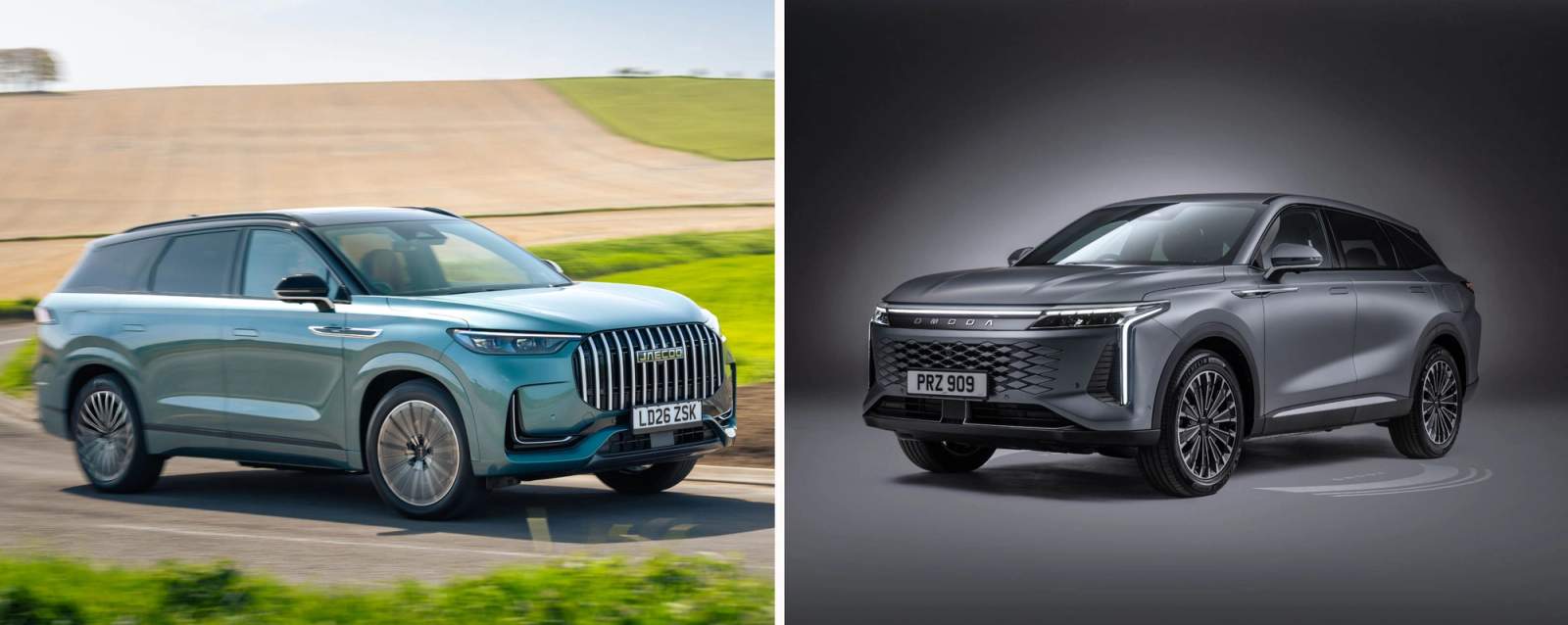
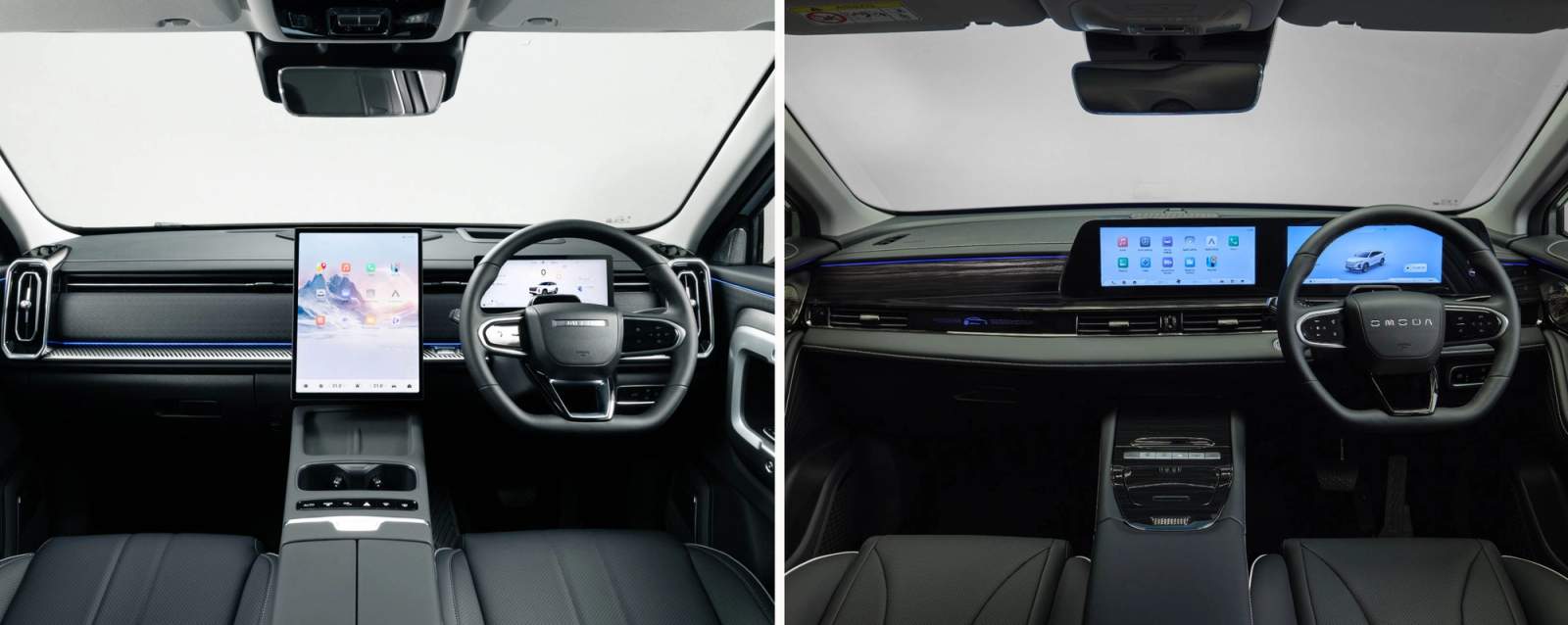
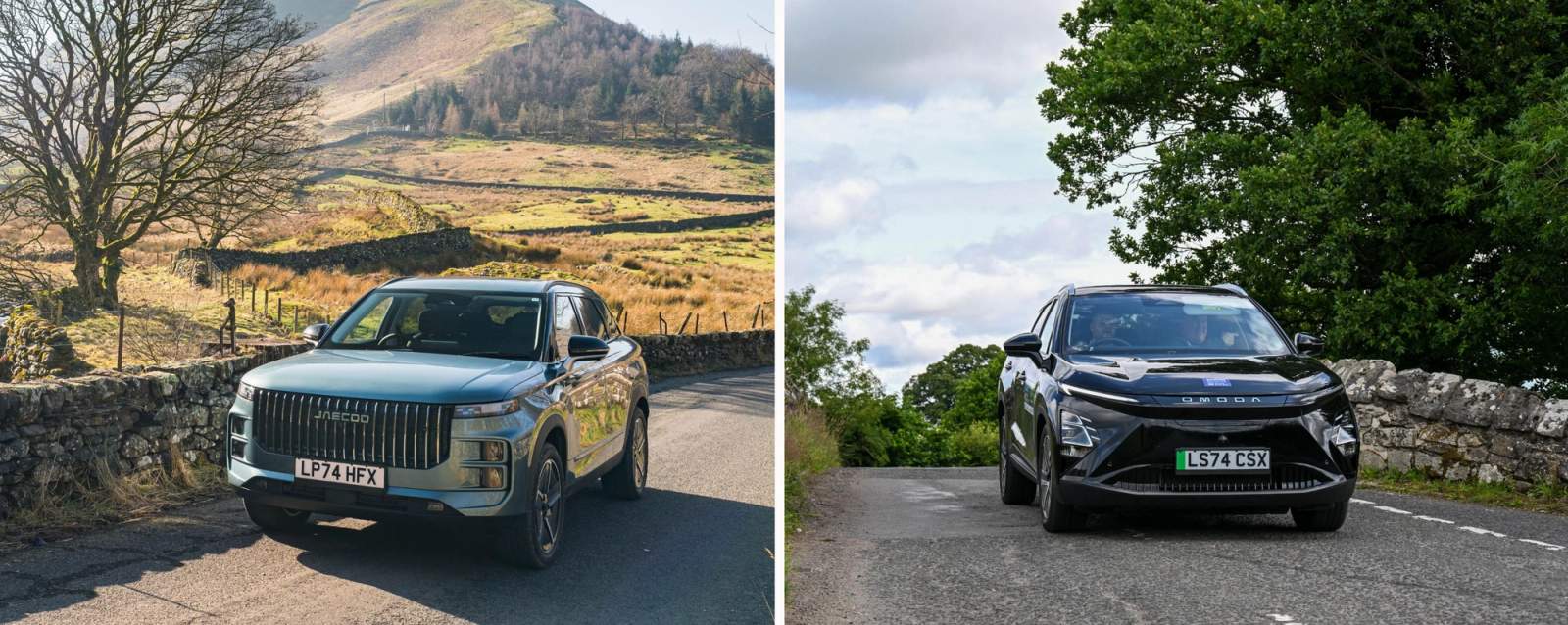
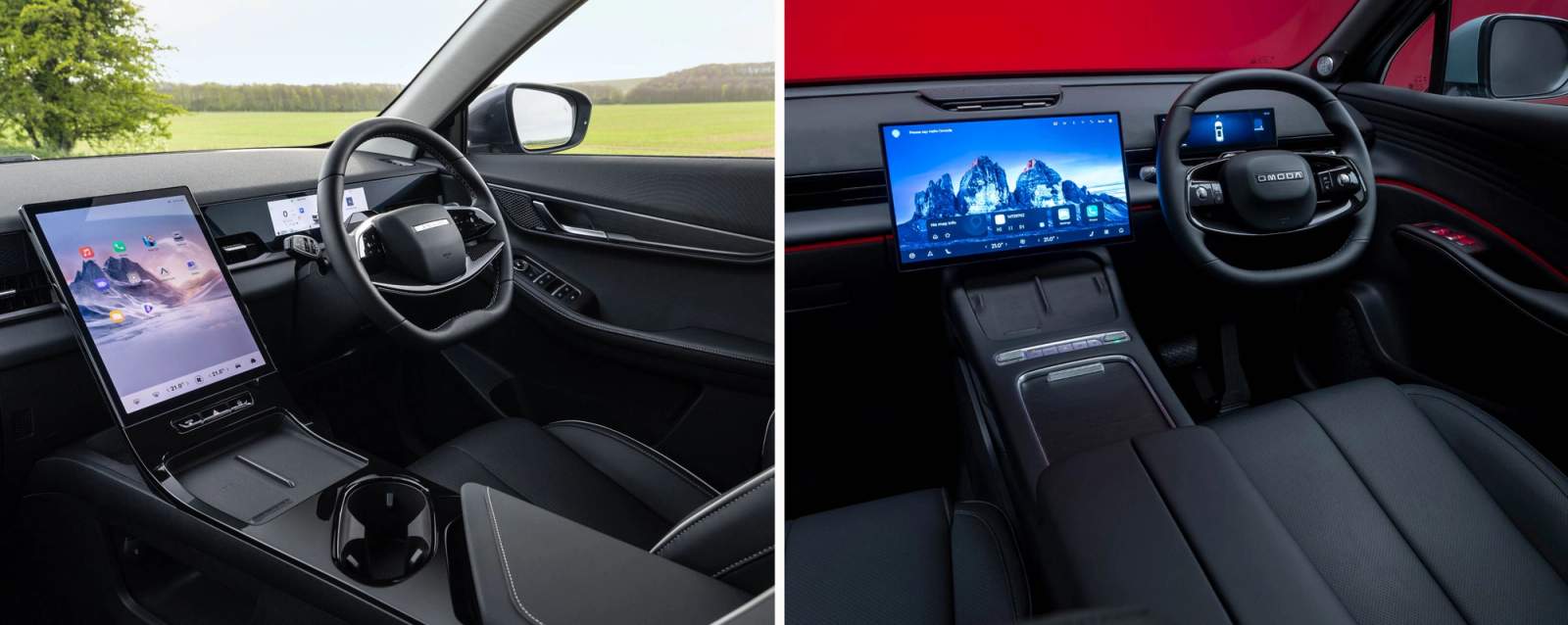
Omoda leans heavily into fashion-forward design. Its cars have a sleek, aerodynamic look with flowing lines and bold colour options – the kind of styling you’d expect from a brand targeting younger buyers who take their aesthetics seriously. The interiors follow suit, with a tech-rich cabin and a premium feel that belies the competitive price tag.
Jaecoo takes a more muscular approach. Its SUVs have chunkier proportions, more prominent body cladding and a rugged stance that hints at off-road capability. The Jaecoo 7, for instance, is clearly designed to project strength and durability without sacrificing refinement inside. If you want something that looks like it could tackle a muddy track as easily as a motorway, Jaecoo is the one to consider.
Technology and powertrains
Both brands have made big strides with their Super Hybrid System (SHS) technology. This comes in two flavours: SHS-P (plug-in hybrid) and SHS-H (self-charging hybrid), and it’s one of their biggest selling points.
The Jaecoo 7 SHS-P, for example, offers a remarkable combined range of up to 745 miles – including 56 miles of pure electric driving – and supports rapid charging. The Jaecoo 8 SHS-P goes further in EV mode still, with up to 700 miles of total range and up to 83 miles of pure EV driving. Both brands also offer petrol and fully electric options, giving buyers real flexibility depending on how and where they drive.
Both Jaecoo and Omoda come loaded with standard tech, including large touchscreens, advanced driver assistance systems (ADAS), digital dashboards and smartphone connectivity. For the price you’re paying, the level of kit is genuinely impressive.
Who are they for?
This is really the crux of the decision. Despite their shared origins, Jaecoo and Omoda are aimed at quite different buyers.
Omoda suits you if you:
- Want a stylish, fashion-conscious SUV that looks a cut above its price
- Are attracted to a more urban, contemporary design language
- Prioritise eco-friendly powertrains, including electric and hybrid options
- Want a brand that’s building a strong tech-forward identity
Jaecoo suits you if you:
- Want a rugged, adventure-ready image from your SUV
- Need something with real presence on the road – and potentially off it
- Want a bigger boot and more cabin space for family use
- Are tempted by the outstanding range offered by the SHS-P hybrid system
Are they worth considering?
In short, yes – and the numbers back that up. The Jaecoo 7 became the UK’s best-selling new car in March 2026, with 10,064 registrations in a single month and 15,569 sold year-to-date by April. That’s not a flash in the pan; it outperformed its nearest rival by 70% in March alone.
When new, prices for the Jaecoo 7 start from £29,105 OTR for the petrol, rising to £35,175 for the SHS-P plug-in hybrid. The Jaecoo 8 starts from £45,500 – tempting prices that only get more compelling when the cars hit the used market. Both brands back their cars with a seven-year warranty – one of the longest in the industry – which should go a long way towards easing any reservations about buying a newer brand.
Omoda’s pricing is broadly similar, with the Omoda 5 representing excellent value in the compact SUV segment and the larger Omoda 9 stepping into premium territory. The electric Omoda E5 is also well-priced for those looking to make the switch to zero-emission driving.
Verdict
Jaecoo and Omoda are two of the most exciting new arrivals in the UK car market in recent years, and the sales figures prove that British buyers are taking notice. They share smart hybrid technology, strong standard equipment and generous warranties – but they serve genuinely different needs.
If you want something sleek, fashionable and tech-forward – particularly in electric or hybrid form – Omoda is a compelling choice. If you want an SUV with muscle and adventure in its DNA, backed by one of the UK’s fastest-growing dealer networks and a plug-in hybrid range that will make you forget about fuel stations, Jaecoo is hard to beat. Either way, you’ll be getting a lot of car for your money.