Ford Puma vs Vauxhall Mokka: which small SUV should I choose?
Both the Ford Puma and Vauxhall Mokka are stylish, affordable small SUVs – but they take very different approaches. Here’s everything you need to know to pick the right one.
The Cazoo editorial team
Published on 29 May 2026 | 5 mins read

The small SUV market is one of the most competitive in the UK, and it’s easy to see why. Combining the practicality of a hatchback with a raised driving position and a dash of rugged styling, models like the Ford Puma and Vauxhall Mokka have become firm favourites on Britain’s roads.
On the surface, these two look like natural rivals – similarly priced, similarly sized, and aimed at similar buyers. But spend some time with each and real differences begin to emerge. We’ve put the Ford Puma and Vauxhall Mokka head-to-head to help you decide which makes the better used buy. You can also browse our full range of used Ford Puma cars and used Vauxhall Mokka cars to see what’s available right now.
Styling
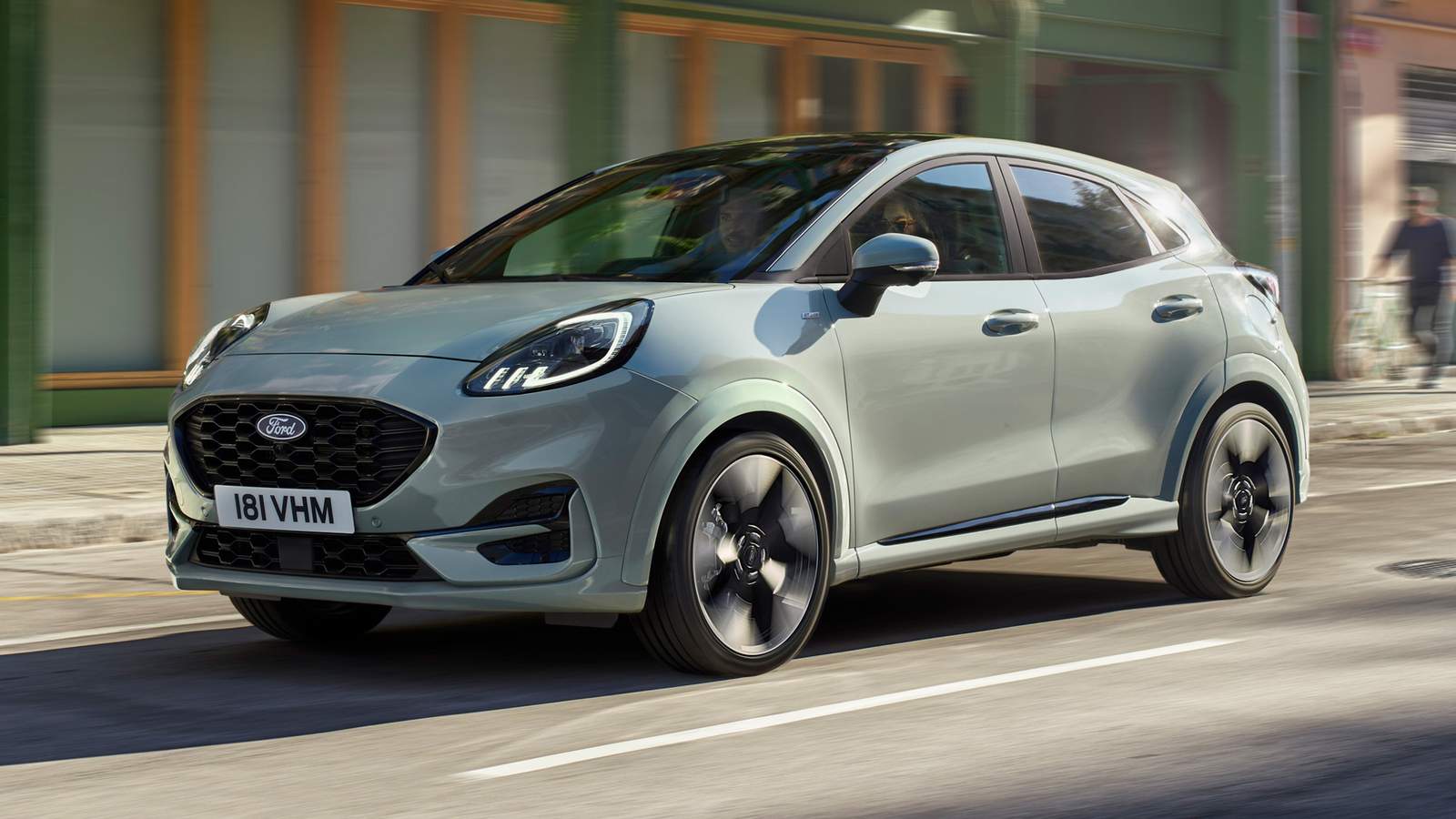
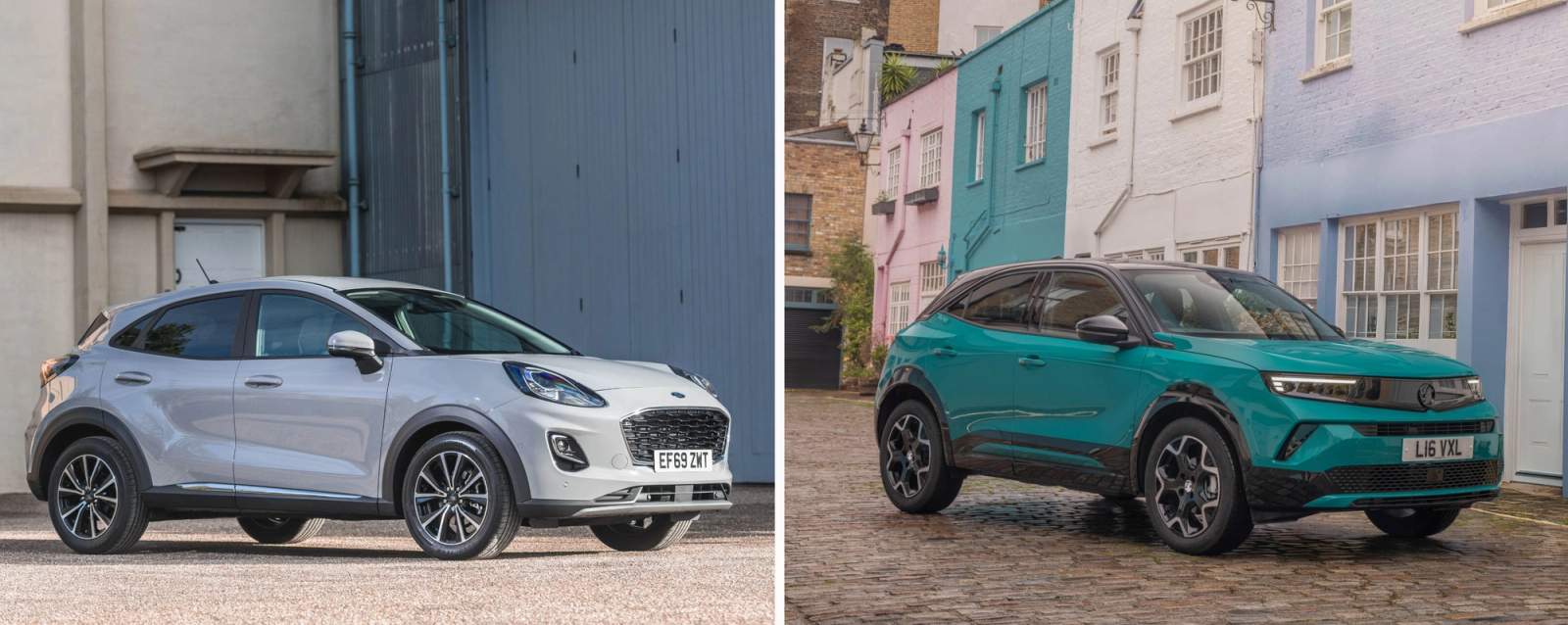
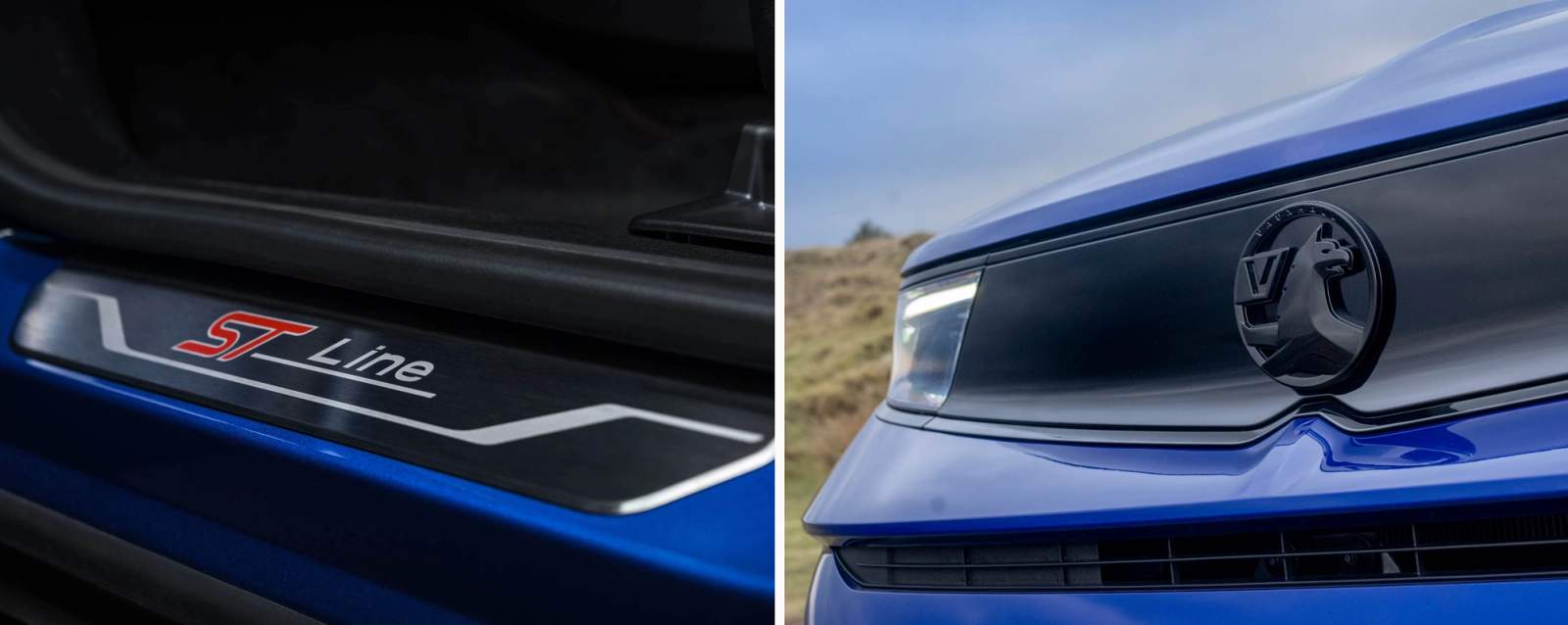
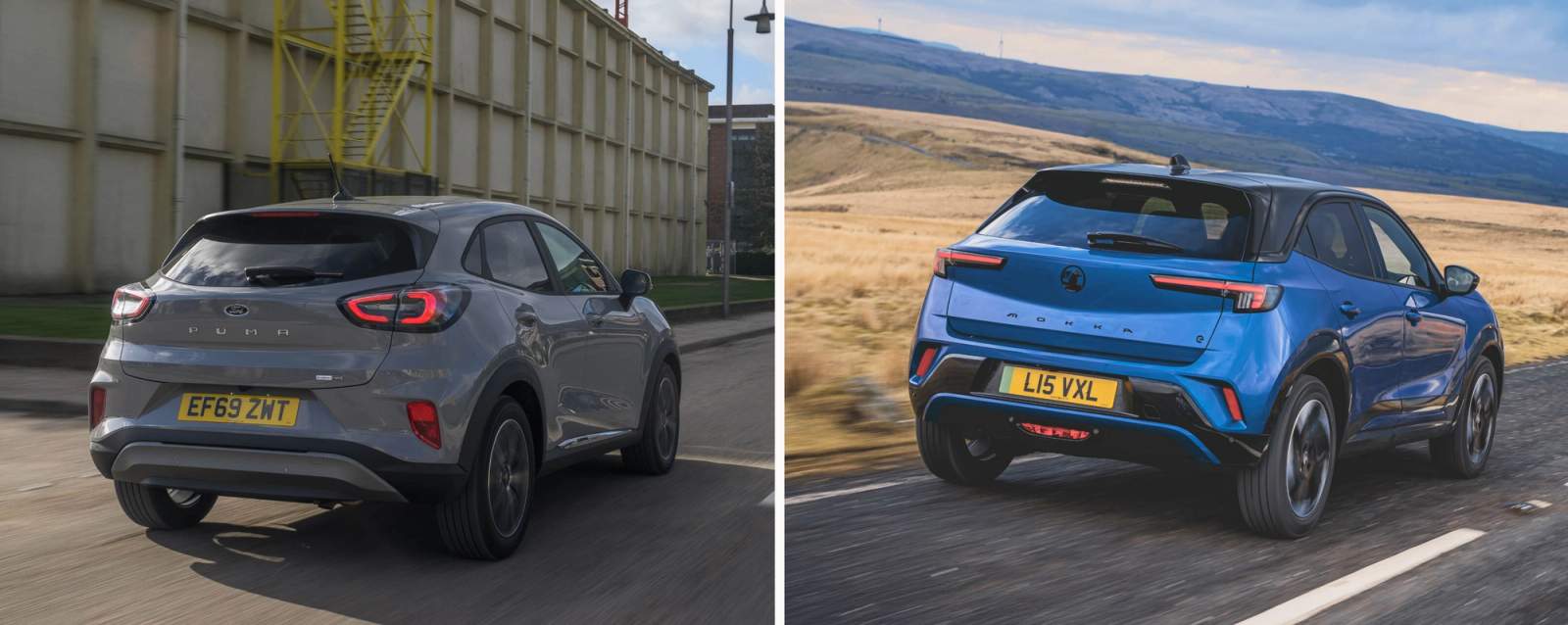
The Ford Puma has a distinctly sporty character. Its low, swooping roofline, wide haunches and muscular flanks give it a coupe-like silhouette that sets it apart from more upright rivals. It’s a striking car on the road, especially in ST-Line trim with its contrast roof and gloss black detailing.
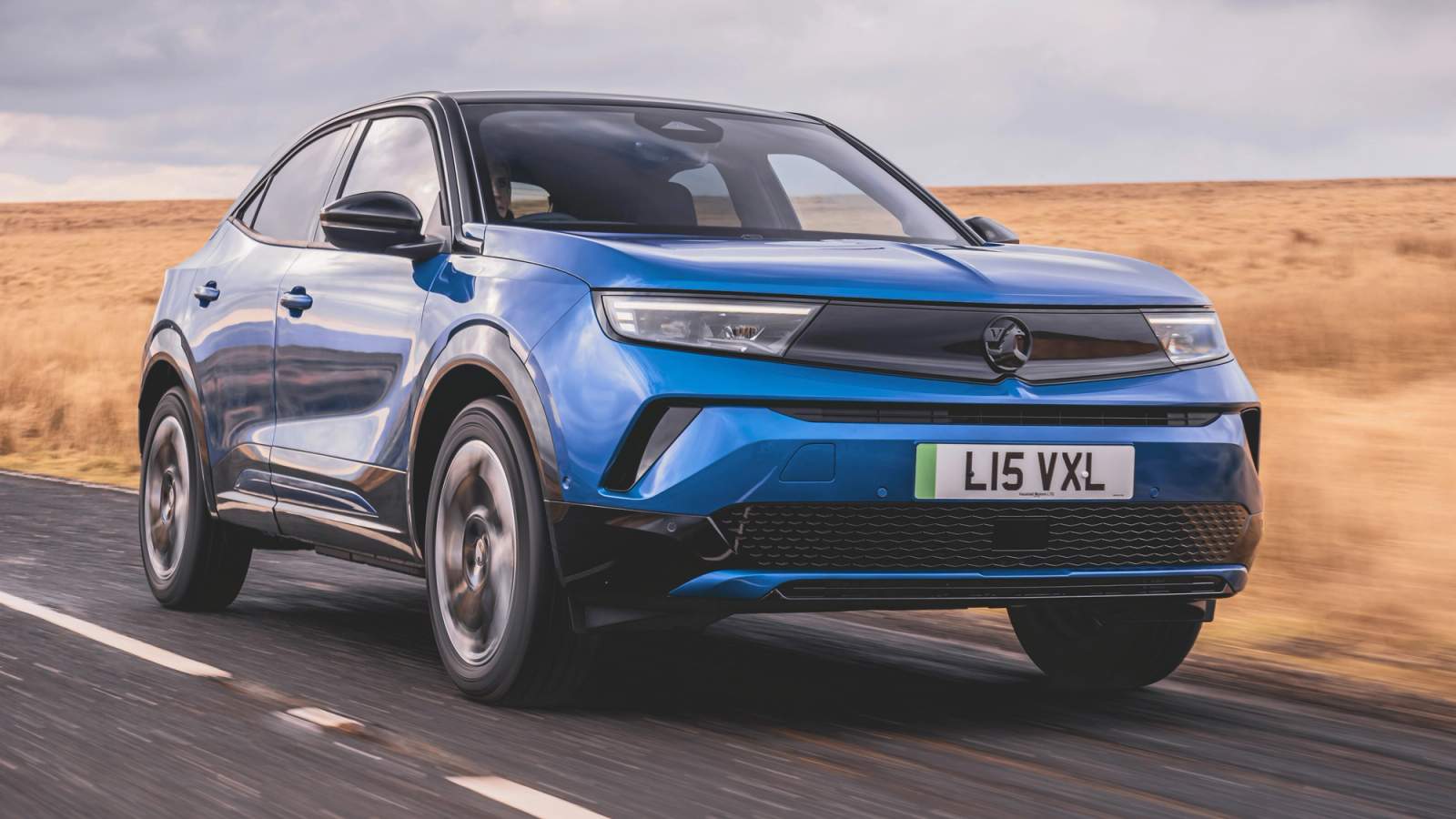
The Vauxhall Mokka takes a bolder, more angular approach. Its ‘Vizor’ front end – a single wide panel that sweeps from one headlight to the other – is unlike anything else in the segment and gives the Mokka a genuinely distinctive identity. If you want a car that stands out in a car park, the Mokka makes a strong case.
Interior
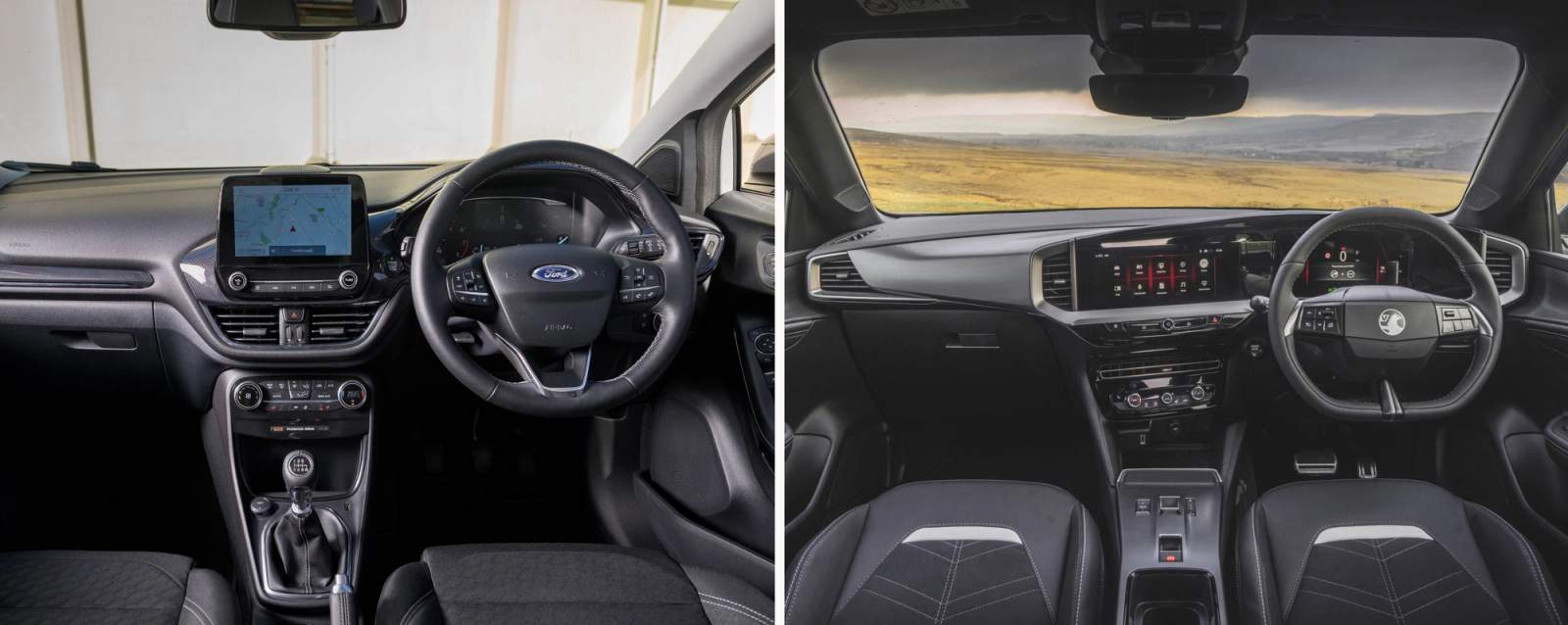
Inside the Puma, you’ll find a driver-focused cabin that borrows several design cues from the larger Ford Focus. The layout is intuitive, with physical shortcut buttons flanking the central touchscreen and a good quality feel to the plastics and trim. It’s not the flashiest interior in the class, but it’s well thought-out and easy to use every day.
The Mokka’s interior is more overtly stylish. Its ‘Pure Panel’ dashboard features two wide digital screens that merge into a single sleek surface, giving the cabin a premium, tech-forward look. Higher-spec models feel genuinely upmarket, though entry-level trims can feel a touch plasticky beneath the surface.
Engines
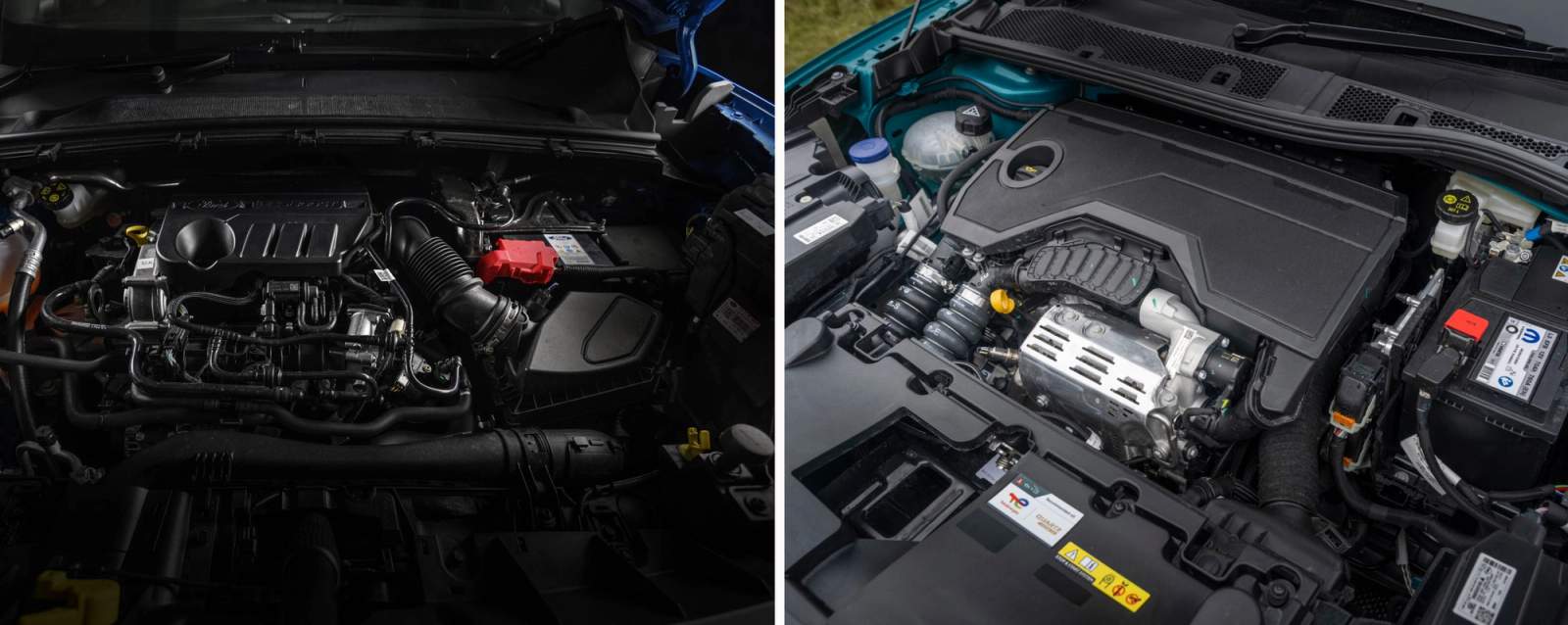
The Ford Puma is available with a range of efficient mild-hybrid petrol engines. The most popular is the 1.0-litre EcoBoost with 125bhp, which Ford claims can return up to 52mpg. There is also a more powerful 155bhp version of the same engine for those who want a sportier drive, plus a range-topping Puma ST with a 200bhp 1.5-litre unit for hot hatch thrills.
The Vauxhall Mokka offers a broadly similar range of turbocharged petrol and diesel engines. The 1.2-litre turbo petrol in 100bhp and 130bhp forms is the pick of the range for most drivers, with claimed economy of up to 47mpg. For those keen to go electric, Vauxhall also offers the Mokka-e, a fully electric version with a claimed range of up to 209 miles – making it a strong option if you’re considering the switch to an EV.
The Ford Puma is genuinely enjoyable to drive – one of the best in its class, in fact. The steering is well-weighted and responsive, body roll is well controlled, and the mild-hybrid powertrain delivers smooth, linear performance. It feels more like a hot hatch than a typical small SUV, which is no surprise given Ford’s performance heritage.
The Vauxhall Mokka prioritises comfort over driver engagement. Its ride is smooth and composed, making it a relaxed companion for longer motorway journeys or urban commuting. The steering is lighter than the Puma’s, which makes city parking a breeze but means it lacks the Puma’s dynamic edge on a winding road.
Practicality
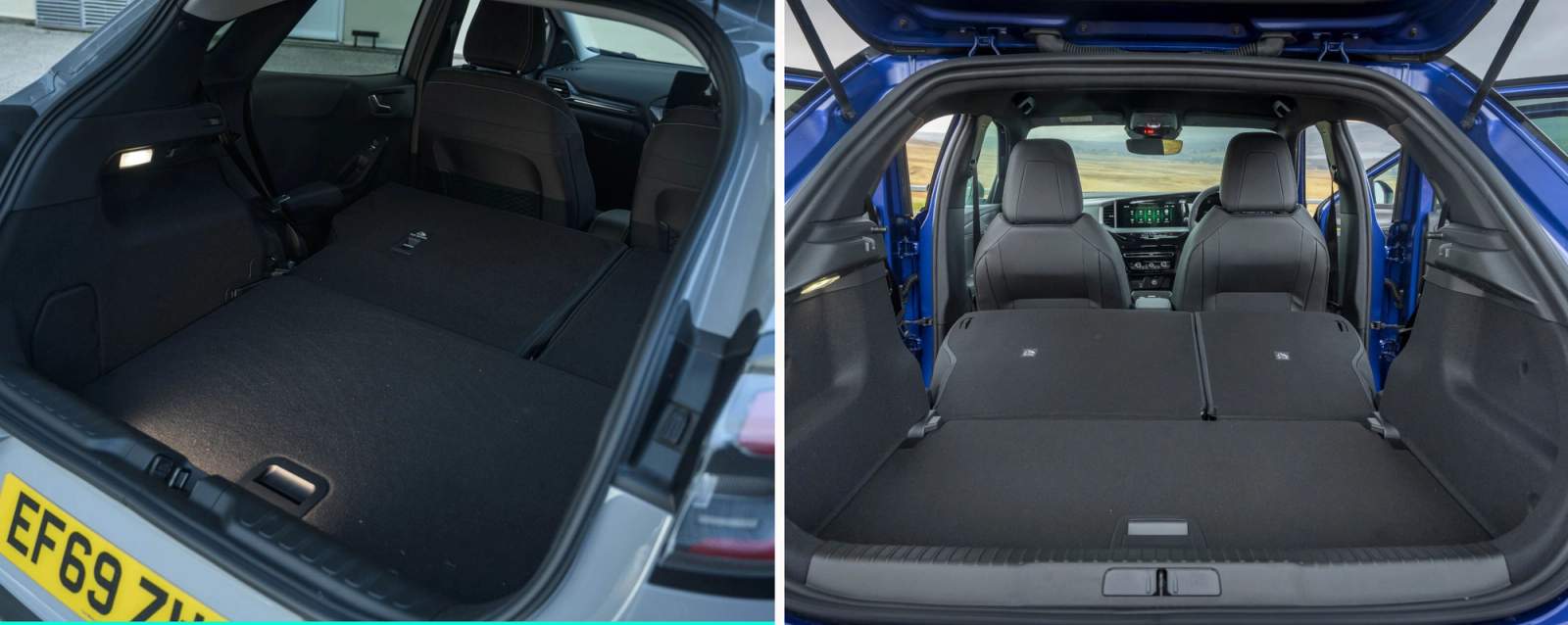
This is where the Ford Puma has a genuine trump card. Thanks to its clever ‘MegaBox’ underfloor storage compartment beneath the boot floor, the Puma offers far more usable load space than its modest boot opening suggests. The MegaBox can even be drained with a plug, making it perfect for muddy boots or wet kit. Total boot capacity stands at 456 litres – impressive for a car of this size.
The Vauxhall Mokka is less impressive in this area. Its boot offers 350 litres of space, which is noticeably behind the Puma, and there is no equivalent to the MegaBox trick. Passenger space in the rear is adequate for shorter journeys, but taller adults may find the headroom a little tight thanks to the sloping roofline.
Second-hand prices
Used Ford Puma prices are competitive given the car’s popularity. Expect to pay from around £12,000 for an early 1.0-litre EcoBoost example in mid-level Titanium trim, rising to around £19,000 for a newer ST-Line X with low mileage. The high-performance Puma ST commands a premium, with used examples typically starting from £14,000.
Used Vauxhall Mokka prices are similarly accessible. An entry-level 1.2-litre petrol in SE trim can be found from around £13,500, while SRi and GS-Line models typically sit between £8,000 and £17,000 depending on age and specification. The Mokka-e can be had for tempting prices, with used electric examples starting from around £8,000.
Verdict
Both the Ford Puma and Vauxhall Mokka are excellent small SUVs that deserve their places near the top of any shortlist. Choosing between them comes down to what you value most.
If practicality, driving fun and all-round ability are your priorities, the Ford Puma is the one to go for. Its MegaBox boot, sharp handling and broad engine range make it an outstanding used buy in the small SUV class.
If you’d rather have bold styling, a tech-forward interior and the option of a fully electric drivetrain, the Vauxhall Mokka is a compelling alternative – especially if your driving is mostly urban.